
From Rs 4,000 to premium green tea: Jonaki Terangpi’s entrepreneurship journey
Jonaki Terangpi, who once struggled without savings, now earns ₹10,000 per month and aims to reach an annual income of ₹2,40,000
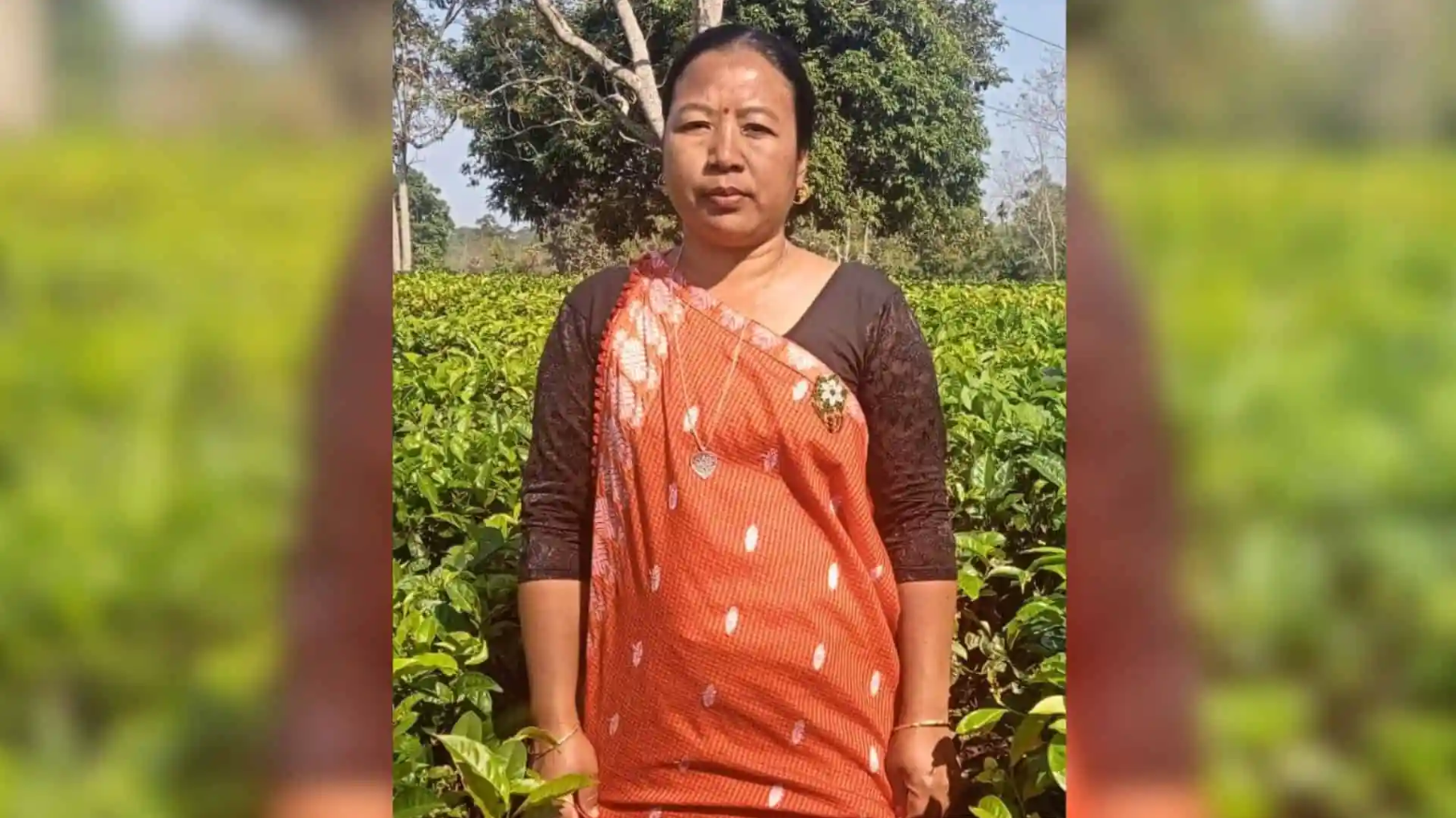
Jonaki Terangpi begins her day before sunrise in Vophong Engjai (Kanchanjuri) village under Rongmongve block, Karbi Anglong. For years, her life revolved around farming, household responsibilities, and community leadership as the secretary of both her Village Organisation (VO) and Self-Help Group (SHG). Yet, despite her active roles, she had no financial independence. Every expense—whether for farming, household needs, or her children’s schooling—required her to depend entirely on her husband. With no savings of her own and limited opportunities, Jonaki often felt stuck in a cycle that offered little room for growth.
This began to change in December 2024, when she joined the Udyamini Project with an initial investment of just ₹4,000. Jonaki first learned about TT-GTC’s (Transform Trade-Grassroots Tea Corporation) green tea initiative during a Focus Group Discussion (FGD) in her village. Organised with support from the village leadership, the session introduced women to the idea of producing artisanal green tea through collective entrepreneurship. Jonaki listened with curiosity and hope—something within her recognised the possibility of a different future.
Encouraged by what she heard, she joined 11 other women to form a 12-member group. Together, they received a green tea dryer machine and created a dedicated processing space in their village. This decision marked the beginning of Jonaki’s transformation. Under the cluster-wide TT-GTC model, Jonaki and her group underwent extensive hands-on training in chemical-free leaf cultivation, green tea processing and hand-rolling, packaging, quality control, machinery operation, and financial management.
A crucial turning point was the shift from the risky ELPG dryer to a safer, firewood-based dryer compatible with electricity and solar power. This innovation allowed the women to process tea safely within their homes, reducing risks while ensuring consistent production.
Today, Jonaki is one of Karbi Anglong’s emerging women entrepreneurs producing Premium Karbi Artisanal Green Tea. The process is delicate and rooted in quality—five kilograms of fresh leaves turn into one kilogram of finished tea, which sells for ₹450 per kilogram. Women pluck tender leaves within the first four days of new growth and follow strict quality standards to maintain the tea’s premium value.
Although this year’s production window lasted only a few days, the group remains optimistic and is preparing for a longer, more productive season next year. Jonaki, who once struggled without savings, now earns ₹10,000 per month and aims to reach an annual income of ₹2,40,000. Her transformation—from financial dependence to entrepreneurial leadership—has made her a role model in her community. She now participates actively in household decision-making, manages her finances, and inspires other women to step into entrepreneurship with confidence.
Jonaki is among the many Rural Women Entrepreneurs (RWEs) who will attend the Rural Udyamita Conference 2025 in Guwahati on December 12. The conference will bring together voices from across India to discuss how to build a sustainable, inclusive ecosystem that nurtures rural entrepreneurship—particularly for women like Jonaki who are reshaping their futures with courage and collective effort.
Organised and hosted by the Council for Social and Digital Development (CSDD), Digital Empowerment Foundation, North East Development Foundation, and Unifiers Social Ventures, the event aims to highlight the power of collaboration in strengthening rural value chains. The conference will see participation from key institutions, experts, government partners, grassroots leaders, and market enablers who are jointly working to advance women-led enterprises across India.
Co-organised by the Udyamini RWEP Collaborative and supported by institutional partners such as the United Nations Development Programme (UNDP) and the Assam State Rural Livelihoods Mission (ASRLM), the event will serve as a platform to share learning, innovations, and success stories. It celebrates not only individual journeys like Jonaki’s but also the collective movement of rural women who are building resilient livelihoods, transforming local economies, and inspiring change in their communities.
For Jonaki Terangpi, the journey from financial dependence to becoming a green tea entrepreneur is more than a personal milestone—it is a testament to what rural women can achieve when given the right support, training, and opportunities.