
Rising from ₹10,000: How Gitanjali Kalita built a rural enterprise
Gitanjali now leads 20 rural women entrepreneurs (RWEs), guiding them in building stable livelihoods and becoming financially independent.
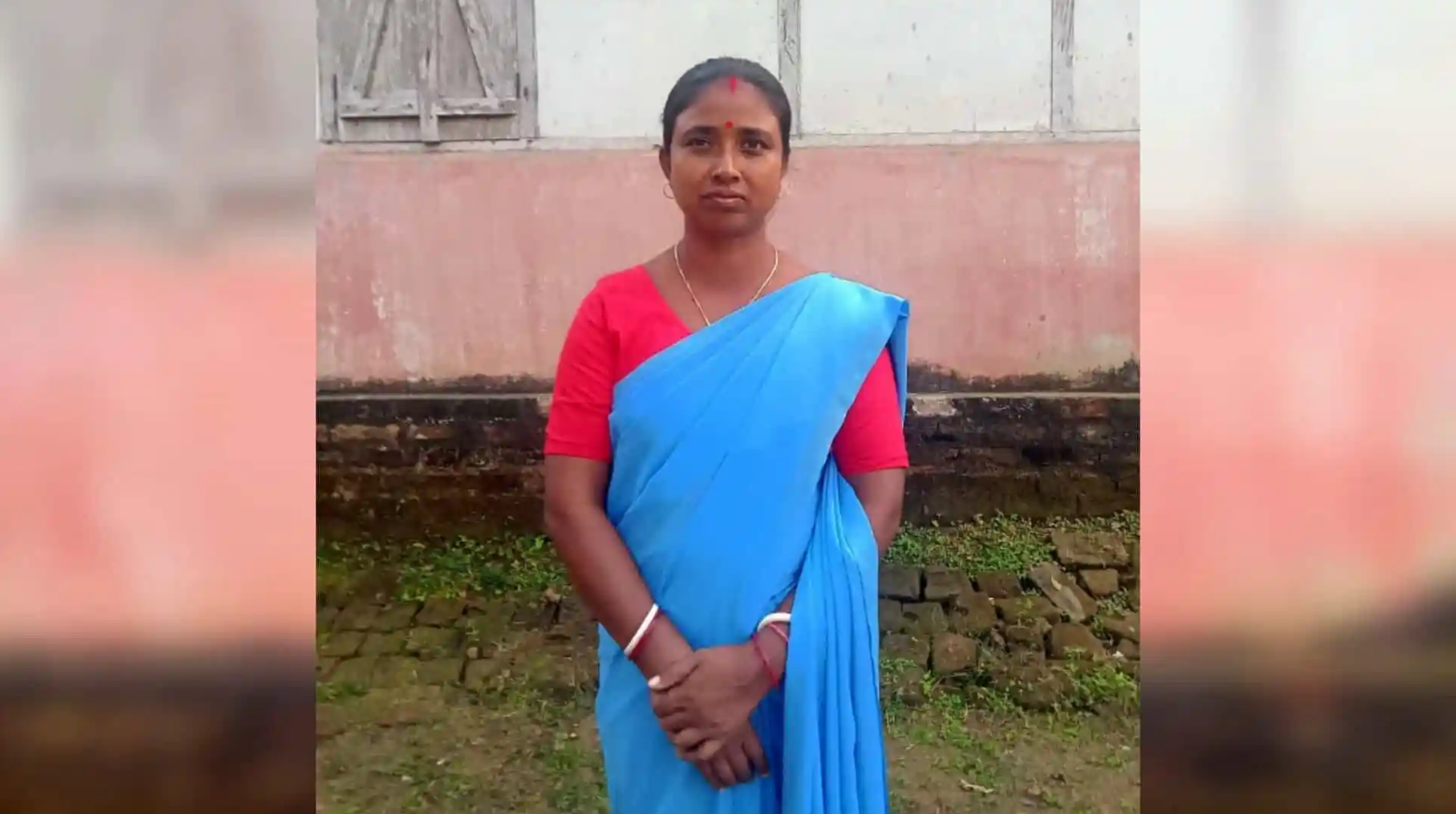
When Gitanjali Kalita moved from her native Balbala Village to Bapupara in Assam’s Goalpara district after marriage, she carried with her little more than determination and a dream for a better life.
With just ₹10,000 as initial capital, she began her journey in livestock farming—poultry, goat rearing, and desi egg aggregation—despite facing steep financial, marketing, and veterinary hurdles. Money was scarce, access to proper medicine and feed was limited, and navigating markets was a battle she had to learn from scratch. Yet, giving up was never an option.
Everything changed when she joined The Goat Trust as a Livestock Business Counsellor under the Udyamini programme on November 16, 2023. The training she received—ranging from scientific livestock management and herbal product usage to record-keeping, digital tools, and market linkages—opened new doors. She was given access to livestock medicines, value-chain support, and a strong ecosystem that understood her aspirations.
Bit by bit, her confidence grew, and so did her income. Today, Gitanjali earns a steady monthly income from her expanded livestock enterprise, enabling her to support her children’s education, manage household expenses, and reinvest in her growing micro social enterprise.
What sets Gitanjali apart is not just her personal growth but the way she has become a pillar for others. She now leads 20 rural women entrepreneurs (RWEs), guiding them in building stable livelihoods and becoming financially independent. Under her mentorship, more women are exploring opportunities in livestock-based micro-businesses, building solidarity, and nurturing rural economic resilience.
Looking ahead, Gitanjali has set clear goals: expanding her goat farm to at least 50 goats, establishing a 100-bird desi poultry unit for increased egg production, and setting up a dedicated livestock business centre. With these plans, she aims to raise her annual income to ₹2,00,000–₹2,50,000 and create a stronger livelihood support system for rural families around her.
Her story reflects the power of opportunity and the impact of Udyamini’s vision. “Starting with just ₹10,000 and many challenges, I rebuilt my life through livestock farming. With the support of Udyamini and The Goat Trust, I grew stronger, earned with dignity, became more confident, and now guide other rural women entrepreneurs,” Gitanjali says. “When one woman upsurges, many others upsurge with her.”
Her project manager echoes this sentiment: “Gitanjali’s growth shows what dedication combined with the right guidance can achieve. She transformed every challenge into an opportunity. Her journey now inspires 20 RWEs to progress with her, strengthening our value chain and community.”
Gitanjali is one among hundreds of inspiring RWEs who will be present at the Rural Udyamita Conference 2025, scheduled for December 12 at NEDFi, Guwahati.
The event is set to be a landmark gathering that celebrates rural women’s entrepreneurship and charts pathways to building a stronger, more enabling ecosystem for women-led enterprises across India.
Organised and hosted by the Council for Social and Digital Development (CSDD), Digital Empowerment Foundation, North East Development Foundation, and Unifiers Social Ventures, the conference will bring together policymakers, financial institutions, grassroots leaders, civil society organisations, and sector experts.
The Udyamini RWEP Collaborative—co-organiser of the event—embodies a powerful four-year initiative (2023–2027) implemented through the Rural Women Entrepreneurship Programme (RWEP), co-led by five Indian non-profit organisations and supported by technical partners.
The programme works across sectors including agriculture, horticulture, handloom, handicrafts, tea, micro-businesses, and emerging areas like solar and clean energy in Assam and West Bengal.
Supported by institutional partners such as the United Nations Development Programme (UNDP) and the Assam State Rural Livelihoods Mission (ASRLM), the conference aims to spark dialogue, inspire innovation, and strengthen networks for rural women entrepreneurs like Gitanjali.