
Mokarrami Khatun shows how rural women can lead the Digital Economy
Her business model is simple, smart, and exceptionally efficient. A customer places an order and pays the retail price.
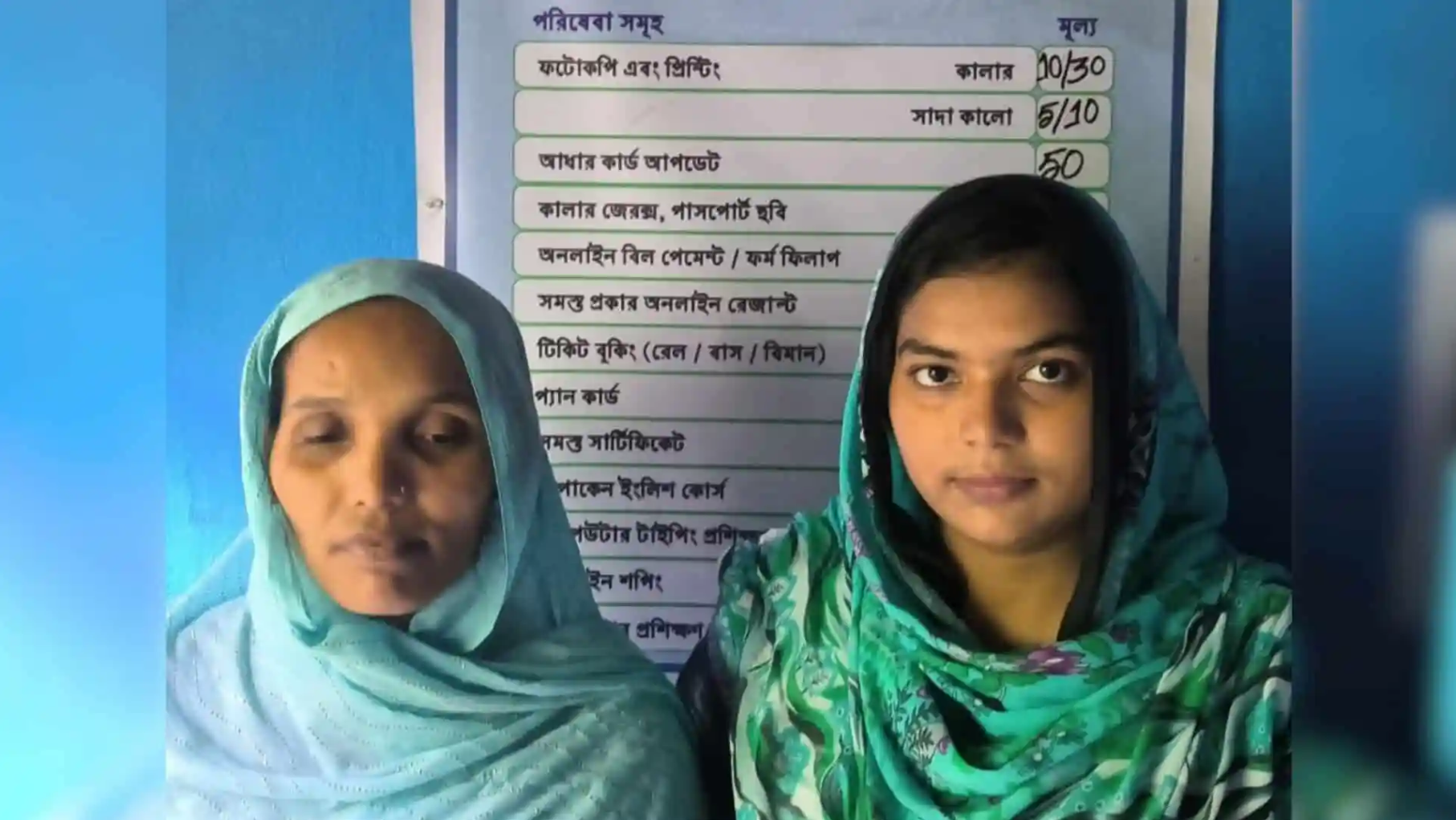
Mokarrami Khatun’s entrepreneurial journey began in Debipur Achintala, in Malda, West Bengal, a rural settlement where opportunities are often limited by distance, infrastructure, and traditional norms.
Yet, with zero initial capital and a clear vision, she built something rare in rural India: a fully operational drop-shipping enterprise managed entirely from her home.
When she joined the Udyamini programme on May 29, 2024, she was already experimenting with informal online selling. But she had not yet discovered the true scale and power of the digital marketplace.
Her business model is simple, smart, and exceptionally efficient. A customer places an order and pays the retail price.
Mokarrami forwards the request to her supplier at the wholesale rate. The supplier then ships the product directly to the customer, using her brand name and identity.
There is no inventory to store, no damaged goods to worry about, no need for bulk investment, and no physical logistics to manage. Her only tools are a smartphone, a deep understanding of social media behaviour, and her growing digital confidence.
What makes her journey remarkable is how seamlessly she adapts to technology. Her social media pages are not just online platforms—they function as her storefronts, customer acquisition channels, and distribution networks.
From her home, she operates a business unconstrained by geography, reaching buyers far beyond Malda and even beyond the national market. Her current annual income stands at ₹80,000, and she is steadily progressing toward her target of ₹90,000.
Alongside strengthening her operations, Mokarrami is building for the future. She is integrating her multiple business pages, refining her brand identity, and aligning her growing enterprise with compliance standards.
She is also experimenting with a hybrid model—combining drop-shipping with small-scale inventory for customers who expect instant delivery. This dual strategy is rare, particularly in rural entrepreneurship, but Mokarrami has embraced it with clarity and confidence.
Her leadership extends well beyond her own business. Over time, she has grown into an emerging Master Trainer, demystifying digital concepts for other Rural Women Entrepreneurs (RWEs).
Whether it is explaining social media engagement, guiding women on how to promote their own products, or helping them understand pricing and customer communication, she has become a local catalyst for digital empowerment.
Her mentorship is slowly shifting community norms—showing women that they can negotiate with markets directly and run enterprises with minimal risk.
The impact of her work is evident. She earns retail margins on every sale, receives commissions from wholesale partners, and continues to expand her customer base. But more importantly, she is nurturing a new generation of digitally fluent women entrepreneurs who can dream bigger because she showed them what is possible.
Mokarrami is one among the many inspiring RWEs who will attend the Rural Udyamita Conference 2025, scheduled for December 12 at NEDFi, Guwahati.
The event will bring together rural women entrepreneurs, sector experts, policymakers, and institutions from across India for a day of dialogue, collaboration, and celebration. It is designed to highlight the innovative models emerging from rural communities—models like Mokarrami’s that blend digital literacy, market access, and entrepreneurial resilience.
The conference is organised and hosted by the Council for Social and Digital Development (CSDD), Digital Empowerment Foundation, North East Development Foundation, and Unifiers Social Ventures.
Together, these organisations are shaping a national ecosystem that supports rural entrepreneurship through digital inclusion, training, and market linkages. Co-organised by the Udyamini RWEP Collaborative and supported by UNDP and the Assam State Rural Livelihoods Mission (ASRLM), the event underscores a shared belief: when rural women gain the tools, networks, and confidence they need, they do not simply participate in the economy—they lead it.